
What to Plant Now
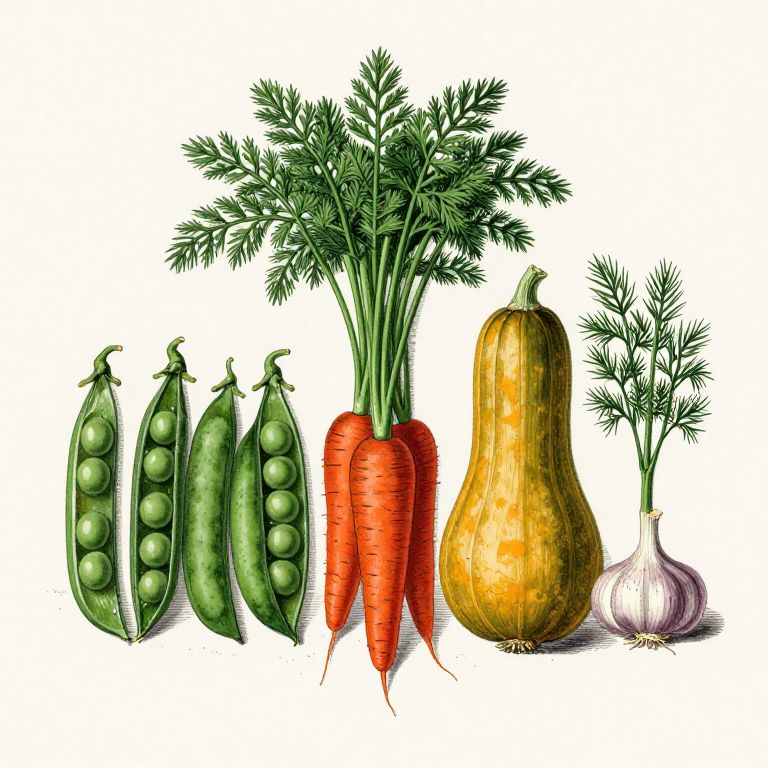
There is no national answer to this question — the same week is planting time for tomatoes in zone 8 and deep winter in zone 4. Enter your ZIP code below and switch the view to "What I can plant this month" for a list built from your own frost dates. The seasonal reasoning underneath it is on this page.
Your planting calendar
Form GL‑6| Crop | Start indoors | Plant outside | Fall sowing | Harvest from |
|---|
Tip: print this page for a calendar you can pin up in the shed.
How to work it out for yourself
Two calculations cover almost every "can I still plant this?" question.
- For spring and summer crops: is it past your last frost? Hardy crops can go in weeks before it. Tender crops must wait until after, plus a week or two of insurance.
- For anything sown late: count the days from today to your first fall frost. If a crop's days to maturity plus about two weeks of autumn slowdown fits inside that window, you can still sow it. If not, choose something faster.
Look up both your frost dates →
Plant early: crops that take frost
These tolerate frost and can go in while the soil is still cold — often four to six weeks before your last frost date. Waiting for warm weather to sow them is the most common way gardeners lose a whole cool season.
Plant late: crops that die at the first frost
These are killed outright by freezing temperatures. They wait until after your last frost in spring and must be harvested before your first frost in autumn.
Crops with a second, autumn window
These can be sown again in late summer for a fall harvest, timed by counting back from your first frost. Many taste better for it — brassicas and root crops sweeten after cold.
The season in four parts
Late winter
Indoor sowing season for anything slow: onions, leeks and celery at 10–12 weeks before last frost, then peppers and eggplant at 8. Order seed now — the varieties worth having sell out. Full count-back chart →
Spring
Hardy crops go straight into cold soil. Tomatoes and brassicas start indoors. As the last frost passes, tender crops move outside — but stagger the plantings rather than putting everything in at once, so a late freeze can't take the lot.
Summer
Succession sowing keeps the fast crops coming — lettuce, radish, bush beans and cilantro every two to three weeks rather than all at once. Midsummer is also when fall brassicas and root crops get started, which feels wrong and is right.
Autumn
Last sowings of quick greens, garlic goes in for next summer, and cover crops or mulch go over anything you're done with. This is also the moment to write down what actually happened — next year's plan is only as good as this year's notes.
In frost-free zones (10b and warmer) the calendar inverts. Your main vegetable season is winter: lettuce, brassicas, peas and carrots all do their best work in your coolest months and bolt in summer heat. Warm-season crops are best timed to fruit before or after peak summer, since most stop setting fruit above roughly 75°F at night.