
Raised Bed Soil Calculator
A 4 ft × 8 ft bed filled 12 inches deep takes 32 cubic feet of soil — about 1.19 cubic yards, or 22 standard 1.5 cubic foot bags. Change any dimension below for your own beds, and order roughly 10% extra: fresh mix settles noticeably in its first season.
Raised bed soil calculator
Form GL‑4—
| Format | Quantity needed |
|---|
| Ingredient | Share | Volume |
|---|
Common bed sizes at a glance
| Bed size | 6 in deep | 12 in deep | 18 in deep |
|---|---|---|---|
| 2 × 4 ft | 4.0 cu ft | 8.0 cu ft | 12.0 cu ft |
| 3 × 6 ft | 9.0 cu ft | 18.0 cu ft | 27.0 cu ft |
| 4 × 4 ft | 8.0 cu ft | 16.0 cu ft | 24.0 cu ft |
| 4 × 8 ft | 16.0 cu ft | 32.0 cu ft | 48.0 cu ft |
| 4 × 12 ft | 24.0 cu ft | 48.0 cu ft | 72.0 cu ft |
| 5 × 10 ft | 25.0 cu ft | 50.0 cu ft | 75.0 cu ft |
Once the bed is filled, work out how many plants fit it or lay the whole bed out square by square.
Where to get the mix
RequisitionThe three components a bed mix needs. Buying these separately and blending is cheaper and better than any bagged "raised bed soil" for beds above about 16 cubic feet.

Compost
The fertility third of the mix. Blend several sources if you can — mushroom, municipal and composted manure all have different nutrient profiles.
Skip anything that still smells of ammonia; it is not finished.
Check it on Amazon →
Coarse vermiculite
The aeration third. This is the component people skip to save money, and skipping it is exactly why beds turn to brick by year two.
Coarse grade, not the fine horticultural stuff sold for seed starting.
Check it on Amazon →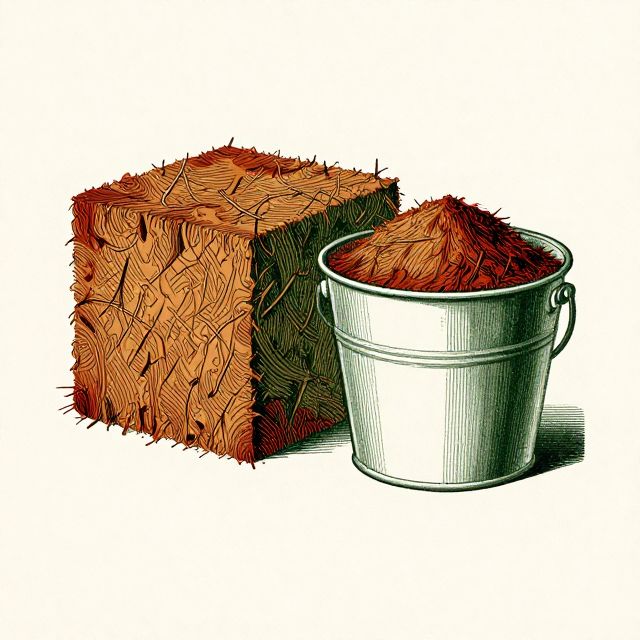
Coco coir
The moisture-retention third. Raised beds drain faster than open ground and dry from the sides as well as the top. Coir is pH neutral, unlike peat.
Compressed blocks expand enormously — check the expanded volume, not the block size.
Check it on Amazon →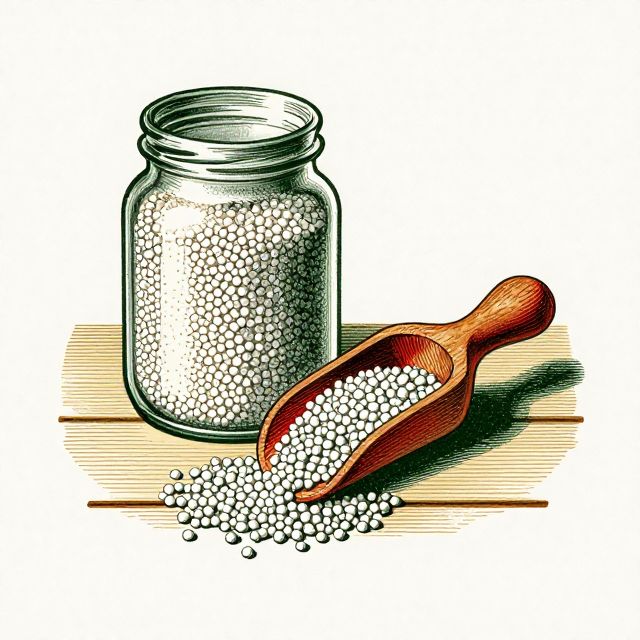
Perlite
An alternative to vermiculite for the aeration third. Lighter and cheaper by volume; holds less water, which suits wetter climates.
Wear a mask when pouring — the dust is unpleasant.
Check it on Amazon →As an Amazon Associate we earn from qualifying purchases. We link these because of what the evidence on this site says, not the other way round — nothing here is recommended on a claim we grade as unsupported, and we take no payment for a placement. How that works →