
The Best Soil for Raised Beds
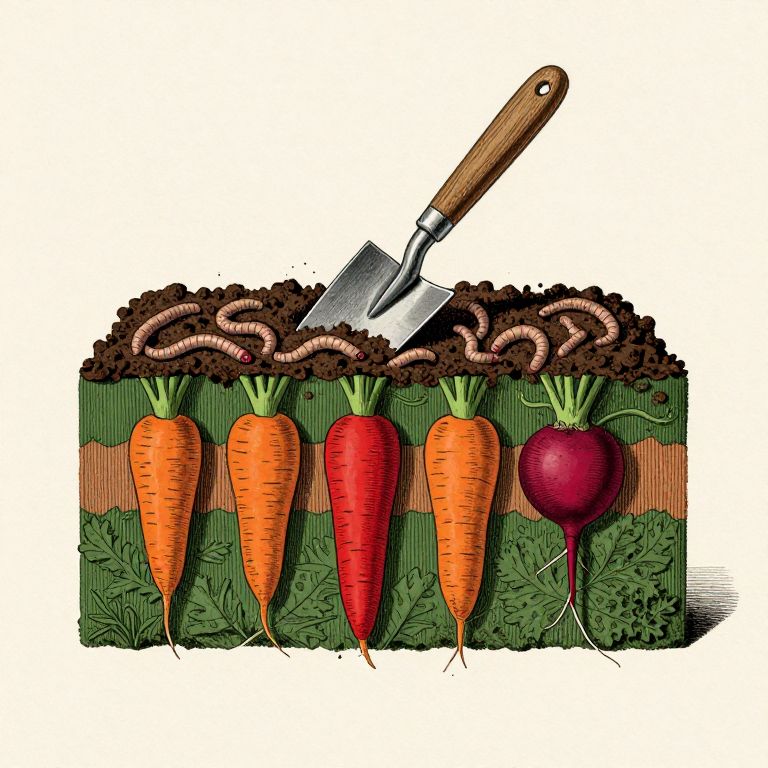
Fill a raised bed with roughly one third compost, one third aeration material (coarse vermiculite, perlite or pumice) and one third moisture retention (peat or coco coir). A 4×8 ft bed at 12 inches deep takes 32 cubic feet — about 22 standard 1.5 cubic foot bags. Neither bagged topsoil nor pure compost works on its own, for opposite reasons: one compacts, the other collapses.
Filling a new bed is the one gardening decision that is genuinely hard to undo. Get it wrong and you're either digging 30 cubic feet back out or fighting the same drainage problem for years. It's worth ten minutes of getting right.
What each ingredient is for
| Component | Share | Job | Options |
|---|---|---|---|
| Compost | ~1/3 | Fertility and biology. Blend several sources if you can — mushroom, municipal, composted manure — because each has a different nutrient profile. | Any finished compost. Avoid anything that still smells of ammonia. |
| Aeration | ~1/3 | Stops compaction and keeps air in the root zone. This is the component people skip, and skipping it is why beds turn to brick. | Coarse vermiculite, perlite, pumice, or fine bark fines. |
| Moisture retention | ~1/3 | Holds water between waterings. Raised beds drain faster than open ground and dry out from the sides as well as the top. | Peat moss (acidic, cheap) or coco coir (pH neutral, renewable). |
Why the two obvious approaches fail
Bagged topsoil on its own is the most common mistake. "Topsoil" is a loosely regulated term, so quality varies wildly, and in a contained bed it settles into a dense layer that water runs off rather than into. If you have good screened native soil, use it as part of a blend — never as the whole thing.
Pure compost is the other. It looks perfect on day one: dark, crumbly, rich. Then it keeps decomposing. Expect to lose a third of the volume, so a bed filled to the brim in spring sits several inches down by the following year. It also holds too much water and, being very high in nutrients, can push leafy growth at the expense of fruit.
Filling a deep bed without spending a fortune
Cost scales with depth, and roots mostly don't. If your bed is taller than about 14 inches, fill the lower portion with bulk organic matter and save the real mix for the top 10–12 inches:
- Bottom layer: logs, thick branches, and woody prunings.
- Next: leaves, straw, grass clippings, spent plants.
- Top 10–12 inches: the compost/aeration/moisture mix above.
The trade-off is honest: as the wood breaks down the level drops, and it drops most in the first two or three years. Budget on topping up each spring. It also ties up some nitrogen at the interface as it decomposes, so be a little more generous with compost on top early on.
Do you need to remove the grass first? Not if the bed is 10 inches or deeper. Lay cardboard over the grass, then fill — the grass dies and composts in place, and the cardboard breaks down within a season. For shallower beds, strip the turf, or it will grow up through.
Maintaining it after year one
A bed loses one to three inches a year as the organic fraction mineralises. Top up with an inch or two of compost each spring, spread on the surface rather than dug in — there is no need to turn a raised bed, and digging it damages the soil structure you've been building. If a bed underperforms after several seasons, a soil test through your local extension service will tell you what's actually missing, which beats guessing at fertiliser.
Next
Work out your exact volume, then see how many plants the bed holds or plan the layout square by square.
Filling a raised bed
RequisitionThe three components a bed mix needs. Buying these separately and blending is cheaper and better than any bagged "raised bed soil" for beds above about 16 cubic feet.
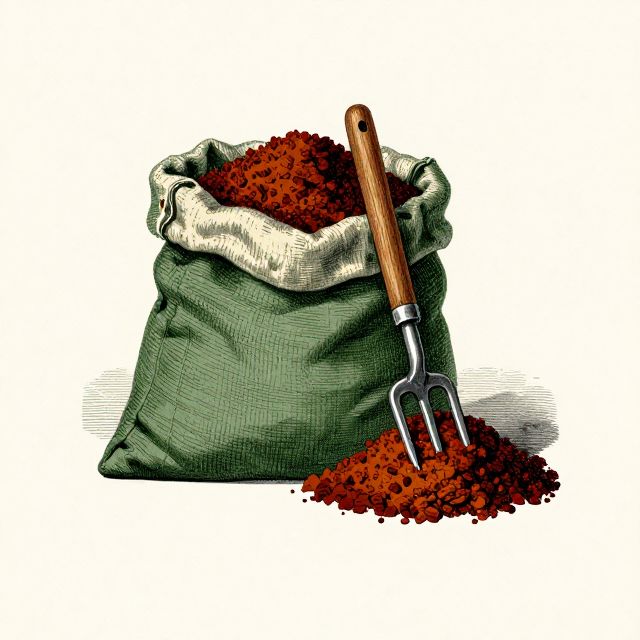
Compost
The fertility third of the mix. Blend several sources if you can — mushroom, municipal and composted manure all have different nutrient profiles.
Skip anything that still smells of ammonia; it is not finished.
Check it on Amazon →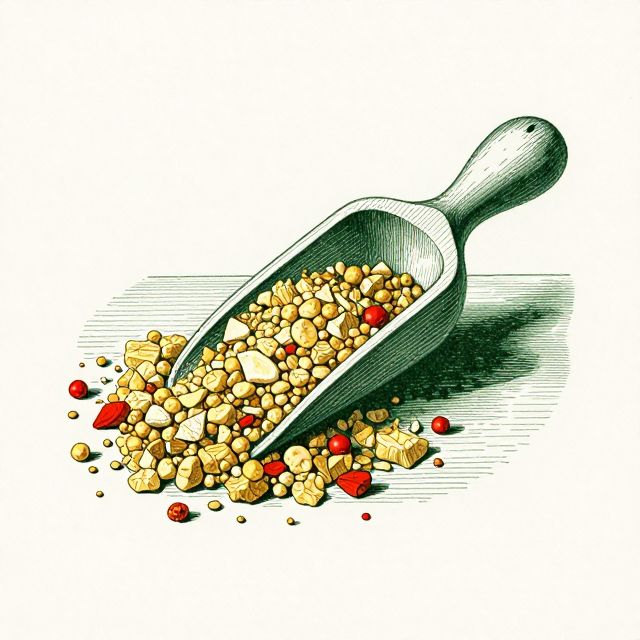
Coarse vermiculite
The aeration third. This is the component people skip to save money, and skipping it is exactly why beds turn to brick by year two.
Coarse grade, not the fine horticultural stuff sold for seed starting.
Check it on Amazon →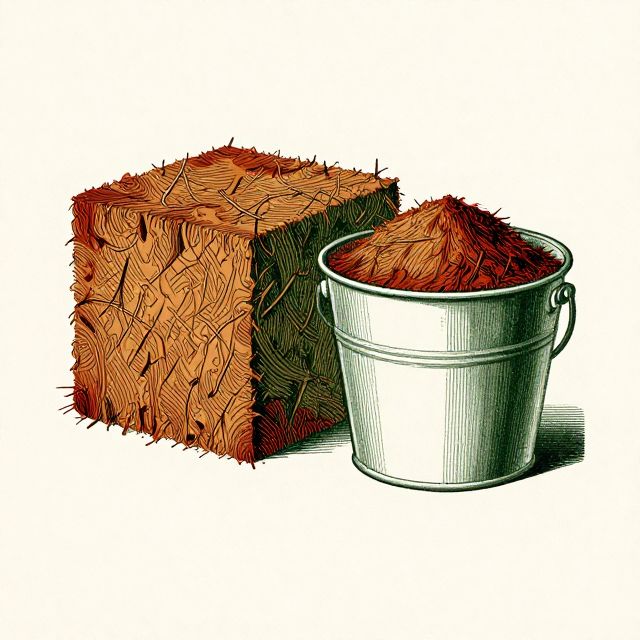
Coco coir
The moisture-retention third. Raised beds drain faster than open ground and dry from the sides as well as the top. Coir is pH neutral, unlike peat.
Compressed blocks expand enormously — check the expanded volume, not the block size.
Check it on Amazon →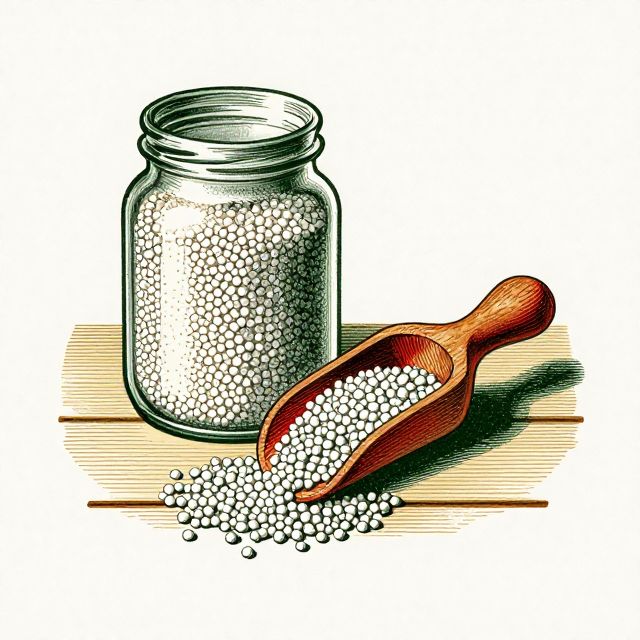
Perlite
An alternative to vermiculite for the aeration third. Lighter and cheaper by volume; holds less water, which suits wetter climates.
Wear a mask when pouring — the dust is unpleasant.
Check it on Amazon →As an Amazon Associate we earn from qualifying purchases. We link these because of what the evidence on this site says, not the other way round — nothing here is recommended on a claim we grade as unsupported, and we take no payment for a placement. How that works →